
STATIC-CONTROL FIBC
Type C Conductive FIBC for Flammable Powders
Groundable conductive FIBC configurations for processes where combustible dust and electrostatic discharge must be evaluated. Final suitability depends on the material, atmosphere, equipment and grounding method.
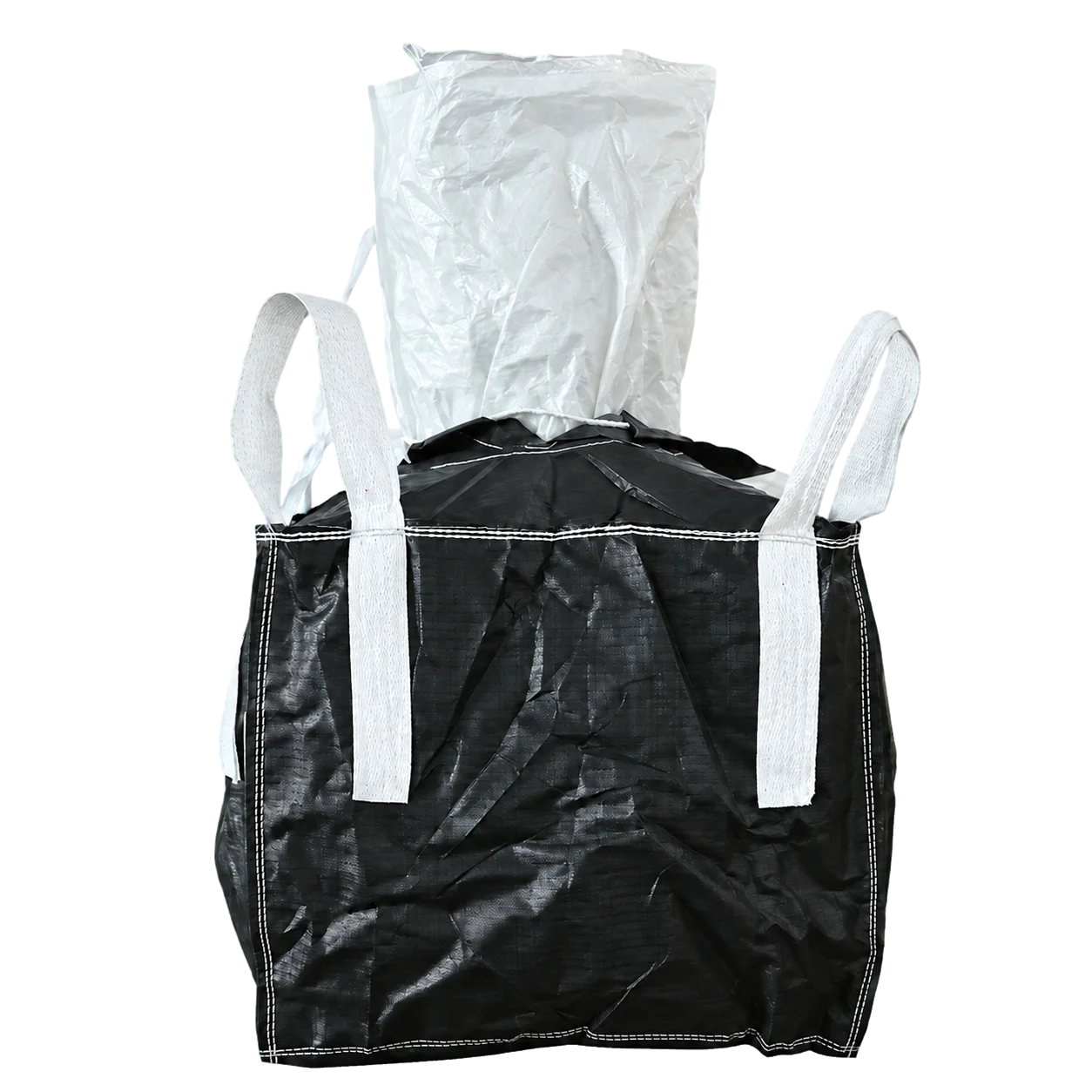
Representative construction — final conductive path, liner and grounding method are application-specific.
Groundable Design
Conductive elements are intended to connect to a verified ground during use.
Application Review
Powder ignition data and external atmosphere are reviewed before selection.
Configurable Handling
Inlet, outlet, loops, liner and dimensions follow the process.
Evidence Gate
Conductive / antistatic options remain subject to technical review.
DECISION FRAMEWORK
Static control is a system decision—not a fabric label
A Type C bulk bag must be considered together with the powder, surrounding atmosphere, filling speed, equipment and grounding practice. HZ BULK does not treat “antistatic” as a universal claim. We first identify the ignition scenario and the controls available at the customer site.
Suitable when
Combustible or flammable powder transfer where a reliable ground connection is available.
Processes that require a groundable conductive FIBC after an EHS or process-safety review.
Operations able to verify grounding before and during filling and discharge.
Do not proceed without review when
Sites that cannot maintain a reliable ground connection throughout use.
A Type D specification where no verified Type D design evidence has been agreed.
Applications with unknown ignition data, solvent atmosphere or hazardous-area classification.
CONFIGURATION
Define the construction around the process
These are engineering inputs, not fixed catalogue promises. Final values are recorded in the approved specification.
01
Conductive system
Fabric construction, conductive yarn network, ground tabs and continuity checkpoints are defined for the selected design.
02
Process interfaces
Lifting loops, filling spout, discharge outlet, dust control and equipment fit are configured around the handling line.
03
Liner selection
A liner can change electrostatic behaviour. Conductive or barrier requirements must be reviewed as part of the complete bag.
Current evidence position
HZ BULK can review conductive and antistatic configurations, but a current Type C design/test package has not yet been approved for broad public claims. Product suitability, test scope and order documentation are confirmed during technical review.
Do not use this page as a substitute for site grounding procedures, hazardous-area assessment or a verified product specification.
Technical reference basis
IEC 61340-4-4:2018 covers electrostatic classification, testing and safe use of FIBC. It defines Type C as a groundable construction and sets requirements that must be evaluated with the use conditions.
BUYER FAQ
Questions to resolve before quotation
A strong RFQ gives procurement, quality, EHS and operations the same technical starting point.
Does a Type C FIBC need grounding?
Yes. Type C is selected on the basis that its conductive system can be connected to ground and that the connection remains effective during filling and discharge.
Is “antistatic bulk bag” the same as Type C?
Not necessarily. “Antistatic” is often used loosely. The required FIBC type depends on the powder, atmosphere and available controls.
Can a standard liner be used in Type C FIBC?
Only after review. A liner can affect charge dissipation and must be compatible with the complete design and process.
What data should I send?
Material name, particle size, bulk density, minimum ignition energy if known, hazardous-area information, solvents present, filling method and grounding availability.
NEXT STEP
Turn the application into a reviewable specification
Send the material, risk, equipment, load, dimensions, destination and annual demand. We will respond with the missing technical questions before quoting.